25 Sunscreen Facts Everyone Should Know
As we soak up the sun’s rays, it’s crucial to remember that sunscreen is not just a summer accessory; it’s a year-round necessity. I created this post to explain why sunscreen should be a staple in your beauty routine, regardless of the season. Too often, people overlook its importance, thinking it’s only needed during beach days or vacations. But we all know that UV rays don’t take a vacation, and neither should our skin’s protection.
If you value skincare and are conscious about beauty tips, especially those that are sustainable and eco-friendly, this post is for you. You likely care about finding products that not only keep your skin safe but also help the planet. In a world overflowing with options, it can be overwhelming to determine which sunscreens truly deliver on their promises without harming the environment.
That’s why I’ve gathered 25 essential sunscreen facts that everyone should know. This information is packed with insights into sunscreen benefits, application tips, and ingredient effects. Whether you’re just starting your sun safety journey or you’re looking to enhance your current routine, you’ll find valuable suggestions that can make a noticeable difference. From understanding SPF to choosing eco-friendly options, this guide will empower you to protect your skin while keeping the Environment in mind. Let’s dive in and embrace the power of knowledge that will benefit both your skin and our planet!
Key Takeaways
- Sunscreen should be a daily habit, not just for sunny days or vacations, to effectively protect against UV rays year-round.
- Understanding SPF is essential; higher numbers indicate greater protection, but proper application and reapplication are more important.
- Chemical and physical sunscreens offer different benefits; knowing the difference helps you pick the right one for your skin type.
- Ingredients can affect both your skin and the environment; look for eco-friendly options that avoid harmful chemicals.
- Consistent use of sunscreen can significantly reduce the long-term risks of skin damage, including premature aging and skin cancer.
1. Sunscreen Is a Year-Round Necessity
Sunscreen is not just for sunny days or beach trips; it’s essential year-round. UV rays can sneak through clouds and windows, so your skin needs protection every day. Using sunscreen can help prevent skin damage, premature aging, and even skin cancer. This is a must for anyone who loves their skin!
For your daily routine, pick a broad-spectrum sunscreen with at least SPF 30. This ensures you’re covered no matter the season. Apply it every morning before stepping out. Taking this simple step protects your skin and allows your beauty to shine without fear of damage. Remember, your skin is your biggest asset and deserves daily care!
Sunscreen Is a Year-Round Necessity
Editor’s Choice

Neutrogena Ultra Sheer Dry-Touch Sunscreen Lotion SPF 70, Broad Spectrum…
 Amazon$8.80
Sport Sunscreen Lotion, Broad Spectrum SPF 50 Sunscreen Multi Pack, 7 Fl…
Amazon$17.76
Sport Ultra SPF 50 Sunscreen Spray | Banana Boat Sunscreen Spray SPF 50,…
Amazon$13.972. Understanding SPF: What Do the Numbers Mean?
SPF stands for Sun Protection Factor, nd itindicatesow well a sunscreen protects against UVB rays, which cause sunburn. For example, an SPF of 30 blocks about 97% of these rays, while SPF 50 blocks 98%. The difference is slight, so you don’t need to stress over the highest SPF. Focus on how you apply it instead!
Constantly apply hours, especially if you’re swimming or sweating. Pair your sunscreen with hats and sunglasses for extra protection. This combination ensures you’re safe and stylish under the sun, making your outdoor activities more enjoyable!
Understanding SPF: What Do the Numbers Mean?
Editor’s Choice

Neutrogena Ultra Sheer Dry-Touch Sunscreen Lotion SPF 70, Broad Spectrum…
Amazon$8.80
Sun Hats for Women Gardening Hat Wide Brim Ponytail Beach Sun Protection…
Amazon$14.99
Polarized Sports Sunglasses for Men, UV Protection, Lightweight Sun Glass…
Amazon$9.983. Chemical vs. Physical Sunscreens: Know Your Options
Sunscreens fall into two categories: chemical and physical. Chemical sunscreens absorb UV rays and typically include ingredients such as oxybenzone. Physical sunscreens, however, use minerals like zinc oxide to reflect these rays. If you care about the environment, consider that physical sunscreens are often better for marine life because they don’t wash harmful chemicals into the ocean.
Choose a sunscreen that fits your skin type and environmental values. This way, you can keep your skin safe while also caring for our planet!
Chemical vs. Physical Sunscreens: Know Your Opt…
Editor’s Choice
Neutrogena Ultra Sheer Dry-Touch Sunscreen Lotion SPF 70, Broad Spectrum…
Amazon$8.80
Sensitive Mineral Sunscreen with Zinc Oxide 50+ Water Resistant UVAUVB P…
Amazon$14.98
SPORT Sunscreen SPF 30 Lotion, Water Resistant Sunscreen, Body Sunscreen…
Amazon$3.974. The Importance of Water-Resistance
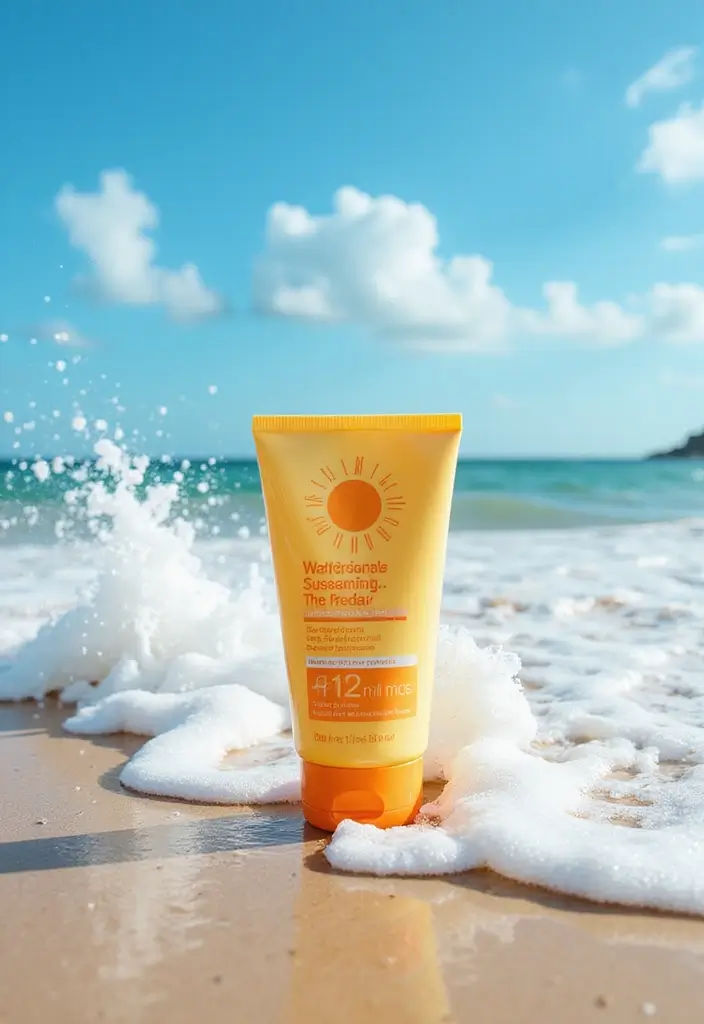
If you plan to swim or sweat, choose a water-resistant sunscreen! These can protect your skin for up to 80 minutes in the water. Keep in mind that no sunscreen is completely waterproof, so reapplying is crucial.
After swimming or sweating, constantly apply to maintain protection. This way, you can enjoy outdoor fun without worrying about your skin. A good water-resistant sunscreen lets you focus on the activity rather than the burn!
Fun beauty tips: Water-resistant sunscreen can hold up for about 80 minutes in water. Remember that no sunscreen is truly waterproof—reapply after swimming or sweating to keep protection strong and skin safe.
The Importance of Water-Resistance
Editor’s Choice

Neutrogena Sunscreen Lotion Beach Defense SPF 70, Face & Body Sunscreen,…
Amazon$4.97
Neutrogena Sunscreen Lotion Beach Defense SPF 70, Face & Body Sunscreen,…
Amazon$4.97
Neutrogena Sunscreen Lotion Beach Defense SPF 70, Face & Body Sunscreen,…
Amazon$4.975. Sunscreen Application: Less Is Not More!
One common mistake is not using enough sunscreen. For full-body coverage, you’ll need about an ounce, roughly the size of a shot glass. Make sure to cover all exposed skin and do this at least 15 minutes before heading outside.
Don’t forget spots like your ears, neck, and feet! Applying the correct amount is key to keeping your skin protected and healthy.
Sunscreen Application: Less Is Not More!
Editor’s Choice
Neutrogena Ultra Sheer Dry-Touch Sunscreen Lotion SPF 70, Broad Spectrum…
Amazon$8.80
Oars + Alps Sunscreen Spray for Face & Body, SPF 50 Spray Sunscreen Infu…
Amazon$17.99
CeraVe Mineral Sunscreen Stick SPF 50, Broad Spectrum SPF + Hyaluronic A…
Amazon$8.976. Sunscreen Expiration Dates Matter
Sunscreen typically has an expiration date, often around three years after purchase. After this time, its effectiveness can fade, leaving your skin vulnerable. Always check the date and throw away expired products.
To help your sunscreen last longer, store it in a cool, dark place. Keeping your sunscreen fresh ensures you’re getting the best protection for your skin throughout the year!
Sunscreen Expiration Dates Matter
Editor’s Choice
Neutrogena Ultra Sheer Dry-Touch Sunscreen Lotion SPF 70, Broad Spectrum…
Amazon$8.80
Portable 3-Slot Glasses Storage Travel Sunglass Organizer Zipper Box Jew…
Amazon$21.96
600 Pieces Expiration Date Food Stickers, 1″ Circle Dot Small Blank Food…
Amazon$10.997. Ingredients to Avoid for Eco-Friendliness

When shopping for sunscreen, be aware of chemicals such as oxybenzone that can harm coral reefs. Opt for reef-safe options to protect the environment. Always read labels! Fewer harmful chemicals are better for your skin and the planet.
By choosing eco-friendly sunscreens, you help keep both your skin and marine life safe from damage.
Ingredients to Avoid for Eco-Friendliness
Editor’s Choice

Thrive Natural Care Reef Safe Sunscreen SPF50 – Hawaii 104 Reef Act Comp…
Amazon$29.95
Blue Lizard SENSITIVE Mineral Sunscreen with Zinc Oxide, SPF 50+, Water …
Amazon$10.99
Badger Mineral Sunscreen SPF 50 Zinc Oxide Sunscreen with 98% Organic In…
Amazon$17.998. The Role of Antioxidants in Sunscreens
Modern sunscreens often include antioxidants that help neutralize free radicals from UV exposure. Ingredients like vitamins C and E protect your skin while enhancing its appearance. Pair your sunscreen with antioxidant-rich products or add-on benefits.
This combination not only shields your skin but also gives you a radiant glow, ensuring you look fresh and beautiful on sunny days!
The Role of Antioxidants in Sunscreens
Editor’s Choice

The Ordinary Multi-Antioxidant Radiance Serum, Vitamin C Serum For Face,…
Amazon$14.00
Neutrogena Ultra Sheer Dry-Touch Sunscreen Lotion SPF 70, Broad Spectrum…
Amazon$8.80
Peach & Lily – Matcha Pudding Antioxidant Cream (3.38 ounces) – Face Moi…
Amazon$43.009. Sunscreen and Makeup: Perfect Partners
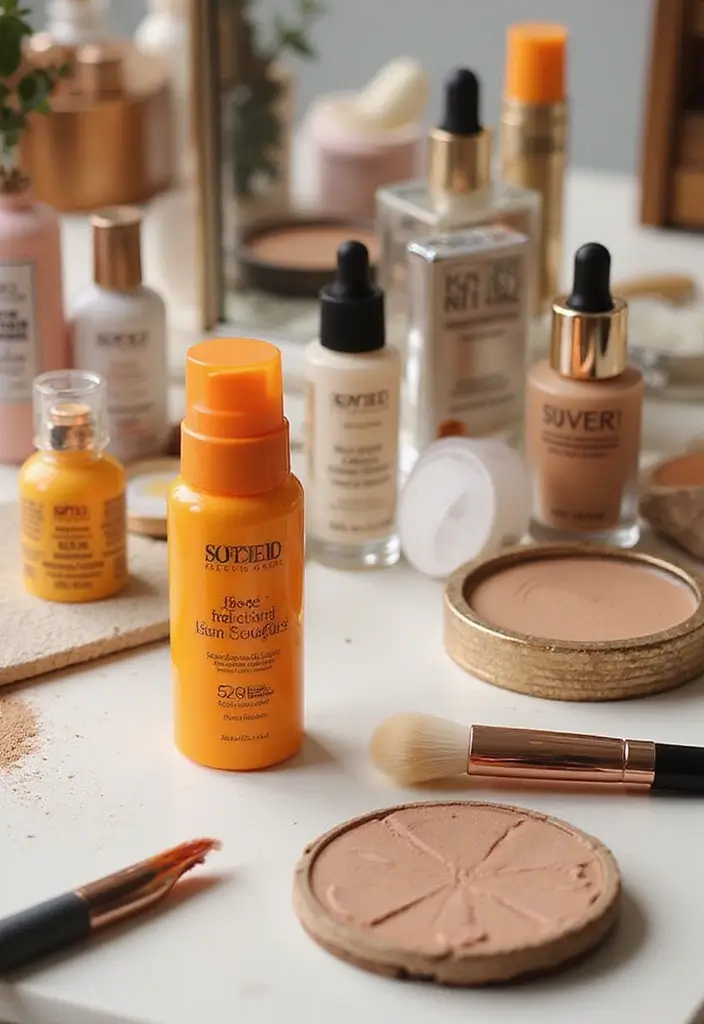
If you wear makeup, sunscreen can actually enhance your beauty routine! Many makeup products contain SPF, but they may not provide sufficient protection on their own. Consider using a tinted moisturizer or sunscreen as your base layer.
Apply sunscreen first, and then let it dry before applying makeup. This way, you’ll stay protected while looking fabulous, proving that beauty and safety can go together seamlessly!
Sunscreen and Makeup: Perfect Partners
Editor’s Choice

CeraVe Hydrating Mineral Sunscreen SPF 30 with Sheer Tint, Tinted Mineral…
Amazon$13.97
Cotton Airy Sun Stick SPF 50 Broad Spectrum Korean Matte Sunscreen Stick…
Amazon$12.49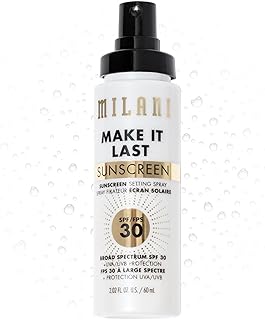
Milani Sunscreen Setting Spray + Primer, Make It Last Sunscreen for Face…
Amazon$14.5210. Sunscreen for All Skin Types
No matter your skin type—oily, dry, sensitive, or combination—there’s a sunscreen for you! Look for products that suit your specific needs. If your skin is sensitive, mineral-based options are usually gentler.
Always patch-test new sunscreens to avoid irritation. Finding the right product allows you to enjoy sun protection while keeping your skin healthy!
Sunscreen for All Skin Types
Editor’s Choice
Neutrogena Ultra Sheer Dry-Touch Sunscreen Lotion SPF 70, Broad Spectrum…
Amazon$8.80
UV Clear Face Sunscreen SPF 46, Oil-Free Sunscreen with Zinc Oxide, Derm…
Amazon$36.00
Hydrating Mineral Sunscreen SPF 30 with Sheer Tint, Tinted Mineral Sunsc…
Amazon$13.9711. Sun Safety Tips for Kids
Kids have delicate skin, so sun safety is even more critical for them. Always choose sunscreens made for children, which often avoid harsh chemicals. Reapply sunscreen frequently, especially during outdoor playtime.
Make putting on sunscreen fun! Use stickers or sing songs to keep kids engaged. Teaching them sun safety now sets them up for healthy habits for life!
Sun Safety Tips for Kids
Editor’s Choice

Coppertone Kids Sunscreen Lotion SPF 70, Water Resistant Sunscreen for K…
Amazon$9.09
Sun Bum Kids SPF 50 Clear Face Stick Sunscreen – Wet or Dry Skin Applica…
Amazon$12.48
Palksky Sunscreen Applicator for Kids, 3 Pack Sunscreen Mitt Set with St…
Amazon$3.9912. How Diet Affects Your Skin’s Resilience

What you eat can influence how well your skin fights off sun damage. Foods high in antioxidants, such as berries and green vegetables, help strengthen your skin from within. Focus on a diet that’s not only good for you but also kind to the planet.
Combining a healthy diet with sunscreen creates a strong defense against sun damage!
How Diet Affects Your Skin’s Resilience
Editor’s Choice

Orgain Organic Greens Powder + 50 Superfoods, Berry – 1 Billion Probioti…
Amazon$19.99
Neutrogena Ultra Sheer Dry-Touch Sunscreen Lotion SPF 70, Broad Spectrum…
Amazon$8.80
TruSkin Vitamin C Serum For Face – Anti Aging Face Serum with Vitamin C,…
Amazon$21.9913. Sunburns and Skin Damage: The Long-Term Effects
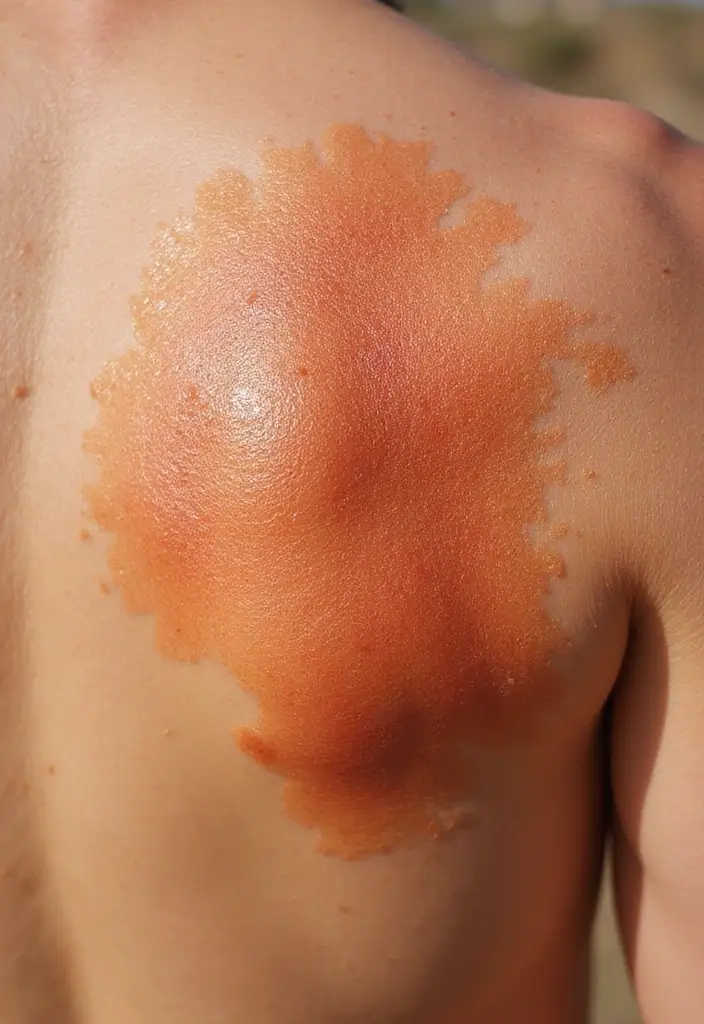
Sunburns are more than just painful; they can lead to lasting skin issues. Each burn increases your risk of skin cancer and speeds up aging. Knowing this makes you more careful about sun safety.
Monitor your sun exposure and schedule regular skin checks to catch any issues early. Your commitment to sun protection today can safeguard your skin for years!
Sunburns and Skin Damage: The Long-Term Effects
Editor’s Choice
Neutrogena Ultra Sheer Dry-Touch Sunscreen Lotion SPF 70, Broad Spectrum…
Amazon$8.80
Fruit of the Earth Moisturizer Gel, Aloe Vera, 12 Ounce
Amazon$4.28
SPF Shirt Women Sun Protection Clothing UPF 50+ Hoodie with Face Cover U…
Amazon$17.9914. Sunscreen and Inflammation: A Protective Duo
Chronic inflammation can create various skin problems, including premature aging. Sunscreen helps reduce inflammation caused by UV rays. Some products even have anti-inflammatory ingredients to boost this effect.
Look for sunscreens labeled “soothing” for better results. Adding sunscreen to your daily routine is a smart move for youthful, healthy skin!
Sunscreen and Inflammation: A Protective Duo
Editor’s Choice

WELCOS KWAILNARA Aloe Vera Moisture Real Soothing Sun Cream | Hydrating …
Amazon$9.99
Shiseido Ultimate Sun Protector Lotion – Invisible Broad-Spectrum Sunscreen…
Amazon$26.00
Blue Lizard SENSITIVE Mineral Sunscreen with Zinc Oxide, SPF 50+, Water …
Amazon$10.9915. The Global Impact of Sunscreen Ingredients

Sunscreen affects our planet, too! Some ingredients can harm oceans and coral reefs. By using reef-safe products, you protect both your skin and the Earth.
Research brands that prioritize eco-friendly practices. Making thoughtful choices today helps preserve our ecosystems for future generations!
The Global Impact of Sunscreen Ingredients
Editor’s Choice
Blue Lizard SENSITIVE Mineral Sunscreen with Zinc Oxide, SPF 50+, Water …
Amazon$10.99
Blue Lizard SENSITIVE Mineral Sunscreen with Zinc Oxide, SPF 50+, Water …
Amazon$10.99
SPF 45 Biodegradable Reef Safe Sunscreen for Face & Body, Non-Nano Zinc …
Amazon$22.9916. The Connection Between Stress and Skin Health
Surprisingly, stress can impact your skin’s reaction to sun exposure. High stress levels can weaken your skin’s barrier, making sun protection even more critical. Incorporate sunscreen into your stress relief routine for better skin health.
Engaging in calming activities like yoga helps improve both your mood and skin!
The Connection Between Stress and Skin Health
Editor’s Choice
Neutrogena Ultra Sheer Dry-Touch Sunscreen Lotion SPF 70, Broad Spectrum…
Amazon$8.80
CeraVe AM Facial Moisturizing Lotion SPF 50, Face Moisturizer with SPF, …
Amazon$15.87
CeraVe Mineral Sunscreen Stick SPF 50, Broad Spectrum SPF + Hyaluronic A…
Amazon$8.9717. DIY Natural Sunscreens: Proceed with Caution
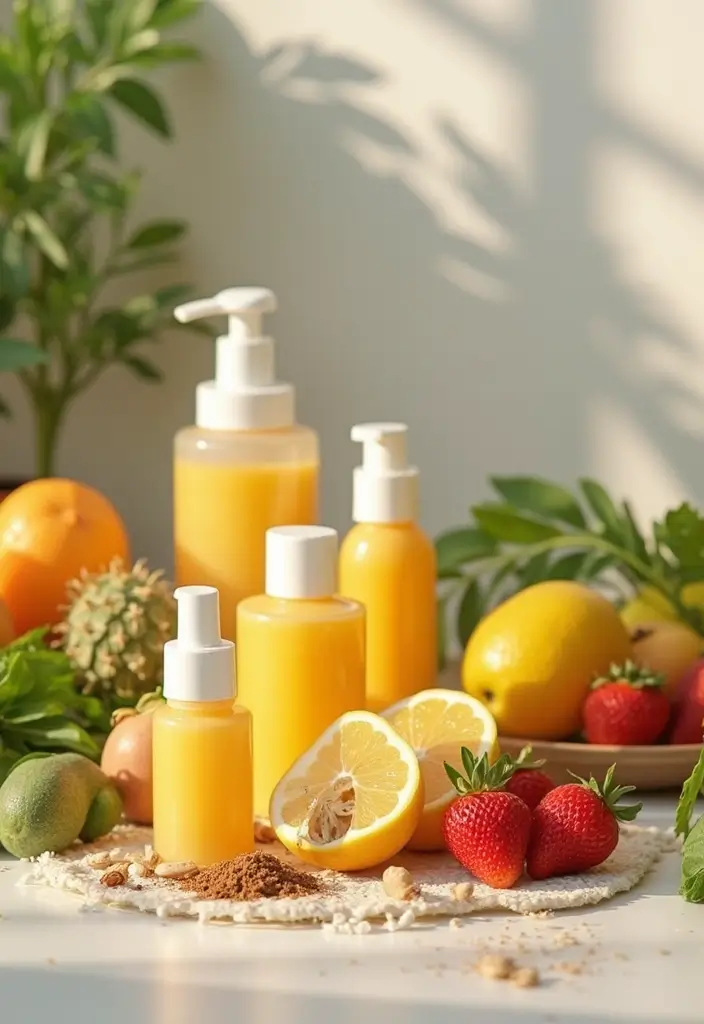
DIY natural sunscreen recipes are popular, but they may not offer enough protection. Ingredients like coconut oil have low SPF and can’t replace commercial sunscreens.
Always choose approved products for reliable sun safety. While natural ingredients can be great for your skin, please don’t risk your health when it comes to sun protection!
DIY Natural Sunscreens: Proceed with Caution
Editor’s Choice
Neutrogena Ultra Sheer Dry-Touch Sunscreen Lotion SPF 70, Broad Spectrum…
Amazon$8.80
Blue Lizard SENSITIVE Mineral Sunscreen with Zinc Oxide, SPF 50+, Water …
Amazon$10.99
Neutrogena Sunscreen Lotion Beach Defense SPF 70, Face & Body Sunscreen,…
Amazon$4.9718. The Importance of Consistency
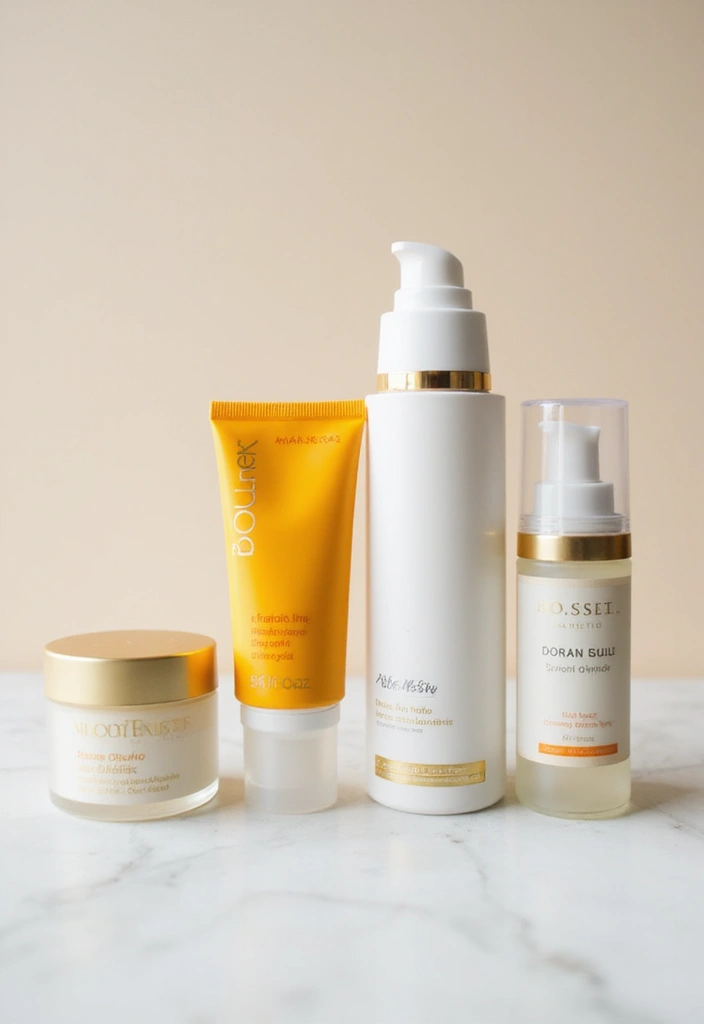
Consistency in applying sunscreen is key to long-term skin health. It’s not enough to use it occasionally; it should be part of your daily routine. Keep your sunscreen in a visible place to remind you to apply it regularly.
Sticking to this habit is crucial for achieving youthful, glowing skin that lasts!
The Importance of Consistency
Editor’s Choice
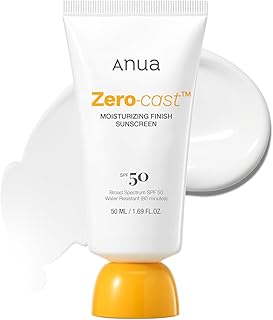
Anua Zero-Cast Moisturizing Finish Sunscreen, S PF 50, Glow Natural Sunscr…
Amazon$18.00
CeraVe Mineral Sunscreen Stick SPF 50, Broad Spectrum SPF + Hyaluronic A…
Amazon$8.97
Neutrogena Sunscreen Lotion Beach Defense SPF 70, Face & Body Sunscreen,…
Amazon$4.9719. Sunscreen and Hormonal Changes

Hormonal changes can affect how your skin reacts to the sun. During times like pregnancy, increased melanin can lead to dark spots, making sunscreen even more essential.
Adjust your skincare routine to address these changes and ensure you stay protected. Being aware of your body helps maintain an even skin tone!
Sunscreen and Hormonal Changes
Editor’s Choice
Neutrogena Ultra Sheer Dry-Touch Sunscreen Lotion SPF 70, Broad Spectrum…
Amazon$8.80
CeraVe AM Facial Moisturizing Lotion SPF 50, Face Moisturizer with SPF, …
Amazon$15.87
CeraVe Mineral Sunscreen Stick SPF 50, Broad Spectrum SPF + Hyaluronic A…
Amazon$8.9720. Sunscreen for Darker Skin Tones
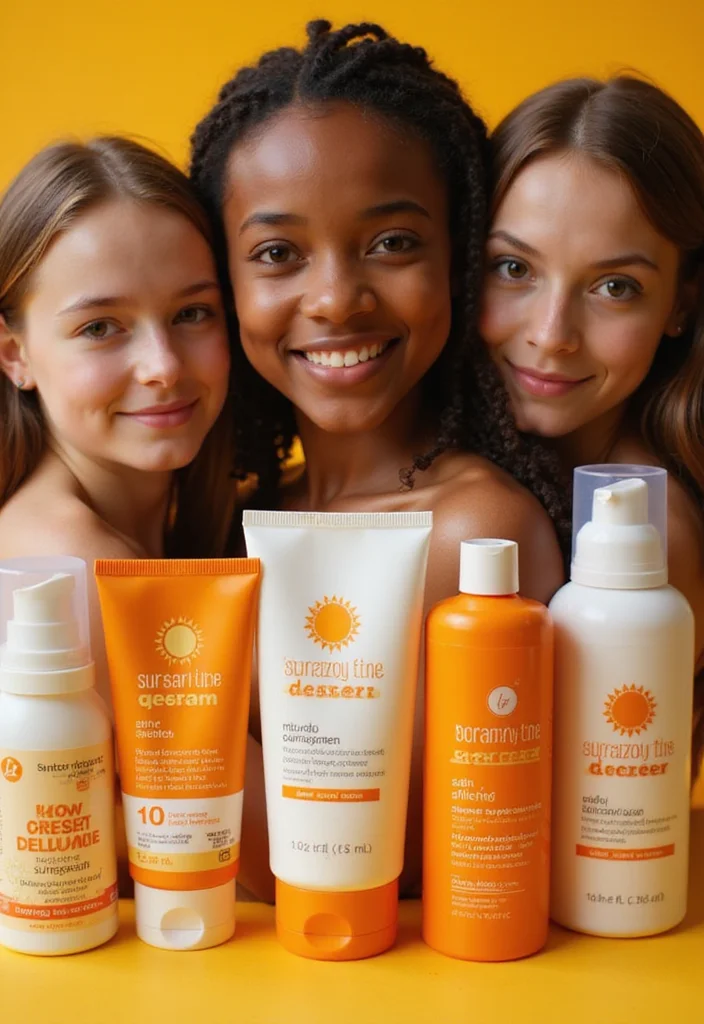
Some people with darker skin think they don’t need sunscreen, but that’s a myth! All skin types need protection from UV rays. Choose a sunscreen that suits your skin tone for better absorption and less residue.
Try tinted sunscreens for added benefits that combine protection with coverage. Acknowledging the need for sunscreen for all skin tones fosters inclusivity in skincare!
Sunscreen for Darker Skin Tones
Editor’s Choice
CeraVe Hydrating Mineral Sunscreen SPF 30 with Sheer Tint, Tinted Minera…
Amazon$13.97
Neutrogena Ultra Sheer Dry-Touch Sunscreen Lotion SPF 70, Broad Spectrum…
Amazon$8.80
CeraVe AM Facial Moisturizing Lotion with SPF 30, Oil-Free Face Moisturizer…
Amazon$14.9721. Common Sunscreen Myths Dispelled
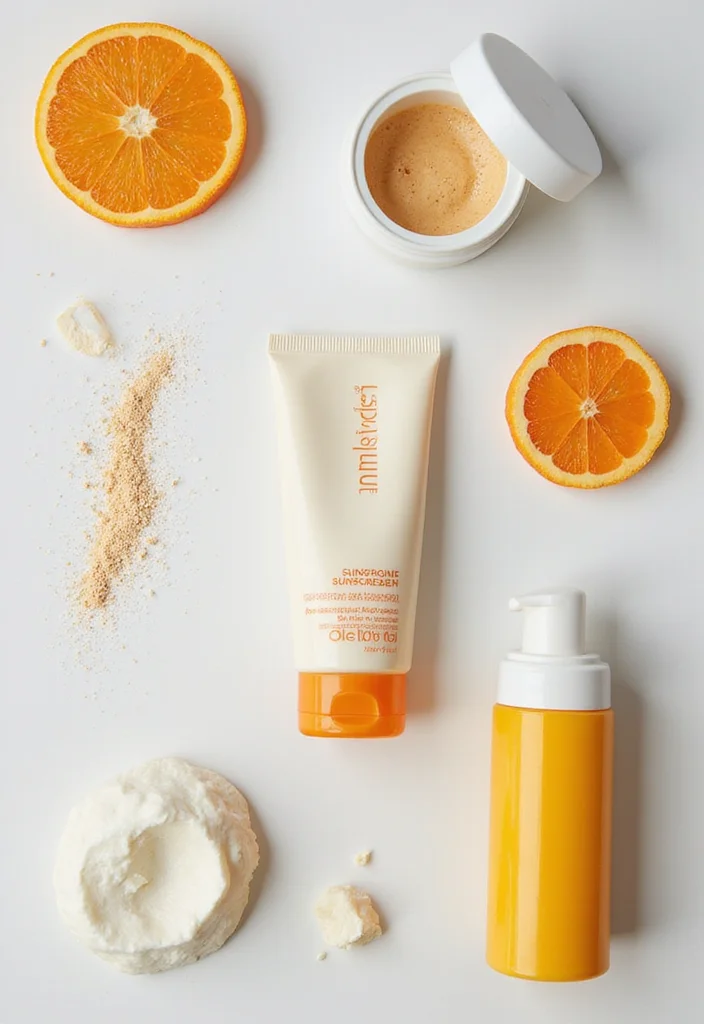
Myths about sunscreen abound, like thinking ‘I don’t burn, so I don’t need it.’ This is untrue! Even without visible burns, UV rays can still harm your skin. Educate yourself on these myths to stay safe in the sun.
Share what you learn with others to create a sun-safe community. Clearing up misinformation helps everyone stay protected!
Common Sunscreen Myths Dispelled
Editor’s Choice
Neutrogena Ultra Sheer Dry-Touch Sunscreen Lotion SPF 70, Broad Spectrum…
Amazon$8.80
CeraVe Mineral Sunscreen Stick SPF 50, Broad Spectrum SPF + Hyaluronic A…
Amazon$8.97
Neutrogena Beach Defense Sunscreen Spray SPF 50, Hawaii Reef Act 104 Com…
Amazon$4.4822. The Environmental Impact of Sunscreen Waste
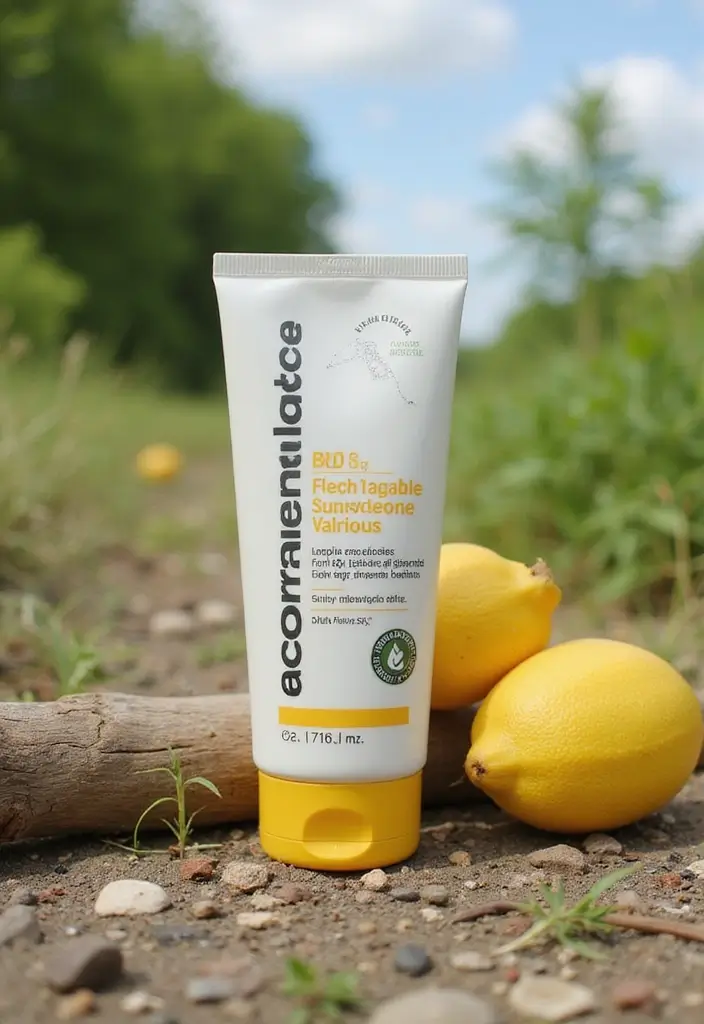
Sunscreen packaging can also harm the environment. Many containers aren’t recyclable, adding to plastic waste. Choose brands that use sustainable packaging to help reduce your footprint.
Look for refillable or biodegradable options to be more environmentally friendly. Being mindful of how you dispose of products helps protect the environment.
Did you know that sunscreen packaging can contribute to plastic waste, with millions of bottles ending up in landfills each year? Beauty tips: opt for refillable or biodegradable packaging, and always recycle or properly dispose of containers to reduce your footprint.
The Environmental Impact of Sunscreen Waste
Editor’s Choice

Reef Safe Mineral Sunscreen Travel Lotion SPF 50 – Mexico & Hawaii 104 R…
Amazon$24.09
Zealios Travel Essentials – Empty On-The-Go Sun Barrier 2 oz Refillable …
Amazon$4.50
Blue Lizard SENSITIVE Mineral Sunscreen with Zinc Oxide, SPF 50+, Water …
Amazon$10.9923. The Evolution of Sunscreens
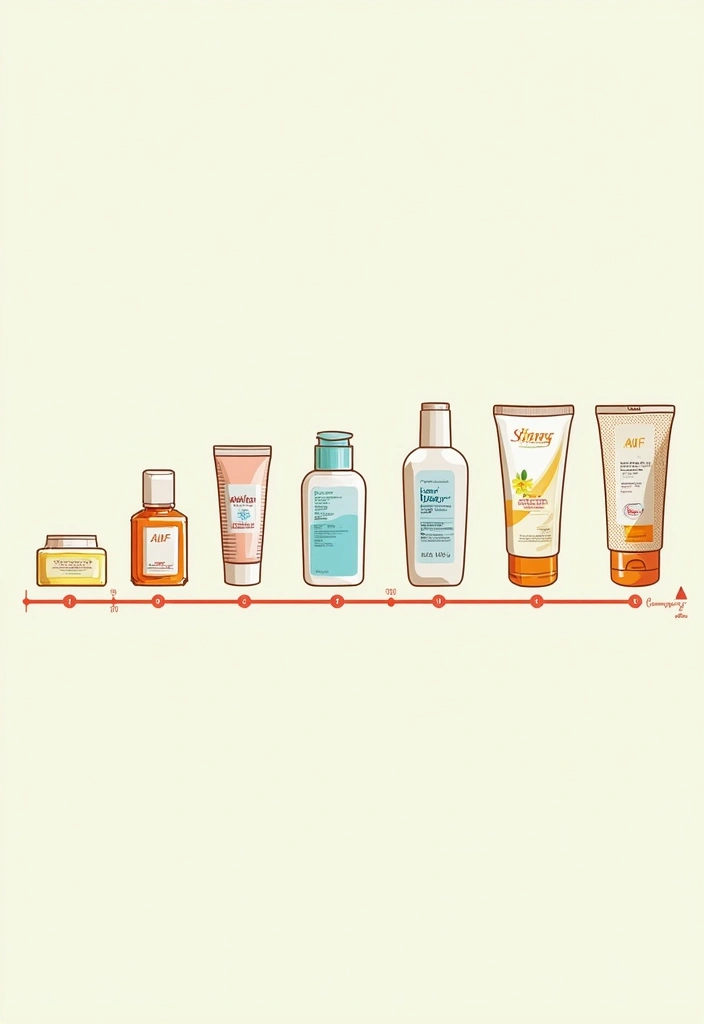
Sunscreens have evolved from thick, greasy lotions to lightweight, easy-to-apply formulas. Modern options are often non-comedogenic, meaning they won’t clog pores. Some also offer added skincare benefits, such as hydration.
Explore the latest offerings to find a sunscreen that fits well with your routine. Keeping up with new trends can improve both your beauty routine and skin health!
The Evolution of Sunscreens
Editor’s Choice

Hydro Boost Moisturizing Water Gel Sunscreen Lotion with Broad Spectrum …
Amazon$12.48
Hydrating Mineral Sunscreen SPF 30 with Sheer Tint, Tinted Mineral Sunsc…
Amazon$13.97
Anthelios Sunscreen SPF 50, Ultra-Light Fluid Broad Spectrum SPF 50, Fac…
Amazon$39.9924. The Future of Sunscreens
With growing awareness of environmental issues, the future of sunscreens looks bright! Many brands are now focusing on eco-friendly formulations with biodegradable ingredients. Support companies that prioritize sustainability to encourage more green options.
By making conscious choices today, you can help create a beautiful, eco-friendly future!
The Future of Sunscreens
Editor’s Choice
Blue Lizard SENSITIVE Mineral Sunscreen with Zinc Oxide, SPF 50+, Water …
Amazon$10.99
Blue Lizard SENSITIVE Mineral Sunscreen with Zinc Oxide, SPF 50+, Water …
Amazon$10.99
Blue Lizard SENSITIVE Mineral Sunscreen with Zinc Oxide, SPF 50+, Water …
Amazon$10.9925. Sunscreen: Your Skin’s Best Friend
In the end, sunscreen is truly your skin’s best friend! Regular use can protect you from wrinkles, dark spots, and skin cancer. The right sunscreen can blend into your beauty routine and even improve your skin’s look.
Think of applying sunscreen as a self-care moment, reminding you to invest in your skin’s health. By making sunscreen a priority, you embrace a lifestyle focused on wellness and caring for our planet!
“Fun fact: Regular sunscreen use can reduce UV damage by up to 90% when worn daily. Make it a part of your beauty tips routine and a tiny self-care moment that protects your skin and the planet.”
Sunscreen: Your Skin’s Best Friend
Editor’s Choice
Neutrogena Ultra Sheer Dry-Touch Sunscreen Lotion SPF 70, Broad Spectrum…
Amazon$8.80
CeraVe Hydrating Mineral Sunscreen SPF 30 with Sheer Tint, Tinted Mineral…
Amazon$13.97
CeraVe Mineral Sunscreen Stick SPF 50, Broad Spectrum SPF + Hyaluronic A…
Amazon$8.97Conclusion: Embrace the Power of Knowledge
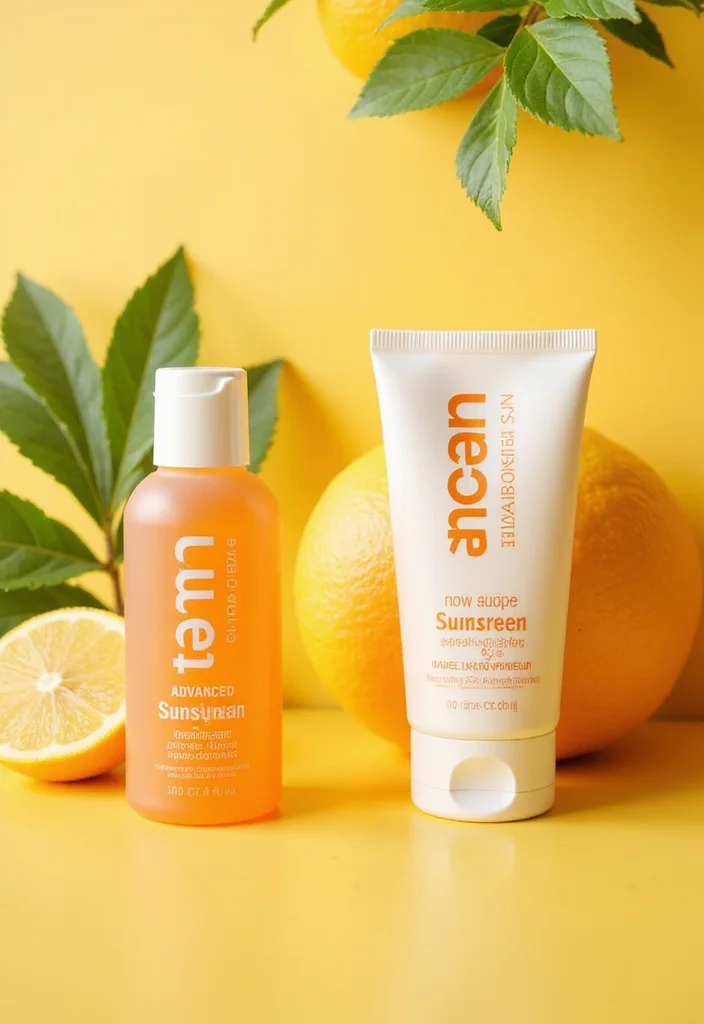
Understanding the importance of sunscreen and its role in your beauty routine is essential for protecting your skin and the environment. With these 25 facts, you’re now equipped to make informed choices about your sun safety. Remember, it’s not just about looks; it’s about health, sustainability, and empowerment.
So step into the sunshine with confidence, knowing you’re making choices that benefit not only you but also our planet!
Note: We aim to provide accurate product links, but some may occasionally expire or become unavailable. If this happens, please search directly on Amazon for the product or a suitable alternative.
This post contains Amazon affiliate links, meaning we may earn a small commission if you purchase through our links, at no extra cost to you.
Frequently Asked Questions
What Are the Key Benefits of Using Eco-Friendly Sunscreens?
Eco-friendly sunscreens not only protect your skin from harmful UV rays but also contribute to the health of our planet.
These sunscreens often contain natural ingredients that are less likely to harm marine life and coral reefs. Plus, they usually come in sustainable packaging, making your beauty routine more environmentally friendly! Choosing eco-friendly options helps you take care of your skin while also being a responsible global citizen.
How Often Should I Reapply Sunscreen for Maximum Skin Protection?
To ensure optimal skin protection, it’s essential to reapply your sunscreen every two hours, especially if you’re swimming or sweating.
Even water-resistant formulas lose their effectiveness over time. Remember, applying a generous amount is key! Don’t forget those often-missed areas, such as your ears, feet, and the back of your neck. Make sunscreen a vital part of your daily beauty routine for adequate sun safety!
Can I Use Sunscreen on My Face if I Have Sensitive Skin?
Absolutely! But you’ll want to look for sunscreens that are specifically formulated for sensitive skin. Look for terms like non-comedogenic and hypoallergenic on the label.
Mineral-based sunscreens containing zinc oxide or titanium dioxide are often gentler and provide excellent skin protection without irritating your complexion. Always do a patch test first to ensure your skin responds well!
What Are Some Tips for Incorporating Sunscreen into My Daily Beauty Routine?
Incorporating sunscreen into your daily beauty routine is easier than you think! Start by applying a broad-spectrum sunscreen with at least SPF 30 as the last step of your skincare regimen.
If you wear makeup, consider using a tinted moisturizer or foundation that contains sunscreen for added protection. Remember, consistency is key! Make it a habit to apply sunscreen every day, even on cloudy days, to ensure you’re always protected from those sneaky UV rays.
Are There Any Ingredients I Should Avoid in Sunscreens?
Yes, certain ingredients can be harmful to both your skin and the environment! Avoid sunscreens containing oxybenzone and octinoxate, as these chemicals can damage coral reefs and marine life.
Instead, opt for sunscreens with natural ingredients that offer adequate sun protection while being gentle on the planet. Reading labels is a great way to ensure your sunscreen aligns with your sustainable and eco-friendly values!
Related Topics
sunscreen benefits
skin protection
UV safety
eco-friendly products
beauty routine
sustainable skincare
sun safety tips
beauty tips
natural ingredients
SPF guide
summer skincare
beginner friendly


